Open Cell Acoustic Foam
Open cell acoustic foam is an oxide-acetete foam with an interconnected cell structure that traps and dissipates sound energy. Unlike closed-cell foams that reflect sound, the porous network absorbs it across a broad frequency range, which makes this grade the preferred acoustic liner in HVAC plenums, high-speed train interiors, and electronic enclosures. It is lightweight, eco-friendly, chemical-corrosion resistant, low in thermal conductivity, laminatable, and die-cuttable.
Technical Specifications
| Material | Open Cell Oxide-Acetete Foam |
| Density | 30 ~ 40 kg/m³ |
| Thickness | 2 to 10 mm single layer, to 100 mm multilayer |
| Width | Maximum 1500mm |
| Working temperature | -40 °C to +120 °C |
| Sound absorption coefficient | NRC-0.5 for 10 mm thickness |
| Flame retardant grade | UL HF-1 |
| Aging test | Pass |
Applications
Common questions about Open Cell Acoustic Foam
How does open cell acoustic foam differ from your closed-cell grades?
Closed-cell foam reflects sound and blocks heat and water. Open cell foam does the opposite with sound: the interconnected pores let sound energy in and dissipate it. Use closed cell to keep noise out of a space, and open cell to stop a space from reverberating.
What sound absorption can I expect?
NRC 0.5 at 10 mm thickness, across a broad frequency range. Thicker sections absorb more, particularly at lower frequencies.
Where is it normally installed?
HVAC plenums, high-speed train interiors, and electronic enclosures are the common ones, anywhere an acoustic liner has to be lightweight, laminatable, and die-cuttable. It is flame retardant to UL HF-1 and passes aging tests.
More in Thermal & Sound Insulation
View all
Insulogy by Paramount XPE/XLPE
Closed-cell chemically cross-linked polyethylene foam (XPE) engineered for thermal insulation, waterproofing, and sound control across HVAC, automotive, building and construction, and sports and leisure.
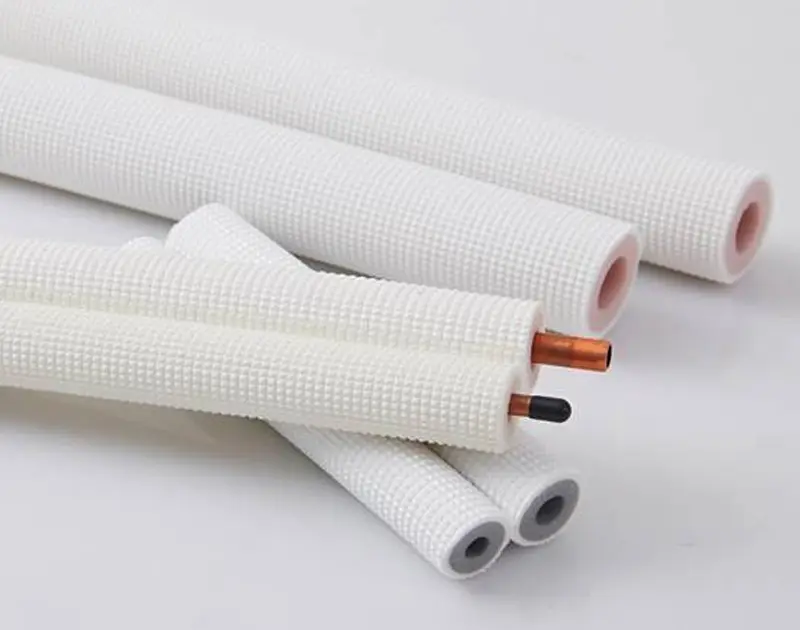
XPE/XLPE Foam Tube for Insulation
Flexible closed-cell PE foam pipe insulation with a corrugated XPE/XLPE outer skin, engineered for AC, HVAC, and industrial water lines.

IXPE Foam
Electron-beam cross-linked polyethylene foam engineered for a finer cell structure and smoother surface than chemically cross-linked grades.